Why Number Plate Cameras Have Become a Part of Everyday Life
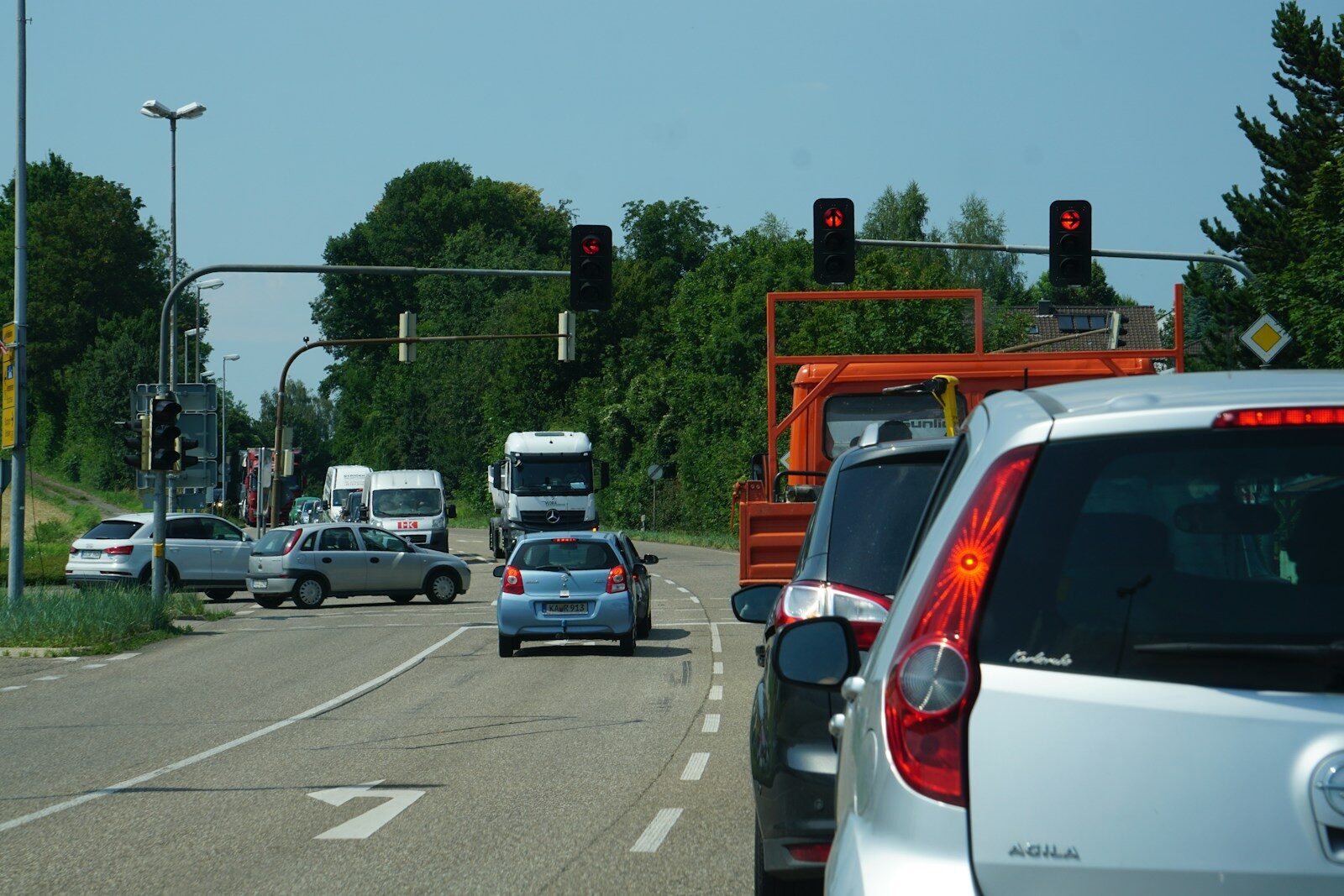
Most people notice number plate cameras only when a parking fine arrives, but the technology is now far more embedded in ordinary life. In supermarket car parks, hospital drop-off zones and small business estates, automatic vehicle recognition helps shape how spaces are used, often without much fuss.
Its role goes beyond enforcement. These systems are now used to manage limited space, cut queues at barriers and keep a clear record of which vehicles entered a site and when. In places where traffic flow matters more than security theatre, an ANPR system can be less intrusive than manned checkpoints or paper permits because it works in the background.
A small technology with big local effects
For local venues and shared sites, the appeal is usually practical, not futuristic. A number plate camera can help answer basic questions quickly:
- Has a delivery vehicle actually arrived?
- Are staff parking spaces being used by the right cars?
- Is a visitor overstaying in a limited bay?
That said, the spread of these systems raises fair questions about transparency. If drivers are being monitored, even for routine site management, clear signage and sensible data handling matter. People tend to accept quiet technology when it feels proportionate, but not when it seems vague or excessive.
That may be why number plate recognition has become such a clear example of modern infrastructure. It sits between convenience and surveillance, solving small logistical problems while raising bigger questions about how public and semi-public spaces are run. We may barely notice it, but it has become part of the everyday grammar of getting in, getting out and keeping things moving.
Photo by Georg Pflueger.